
Last updated September 20, 2026
Full 25-point door and opener safety check with every visit - springs, cables, rollers, tracks, and your LiftMaster or Chamberlain opener included
You get a price before we start. It does not change when the truck arrives.
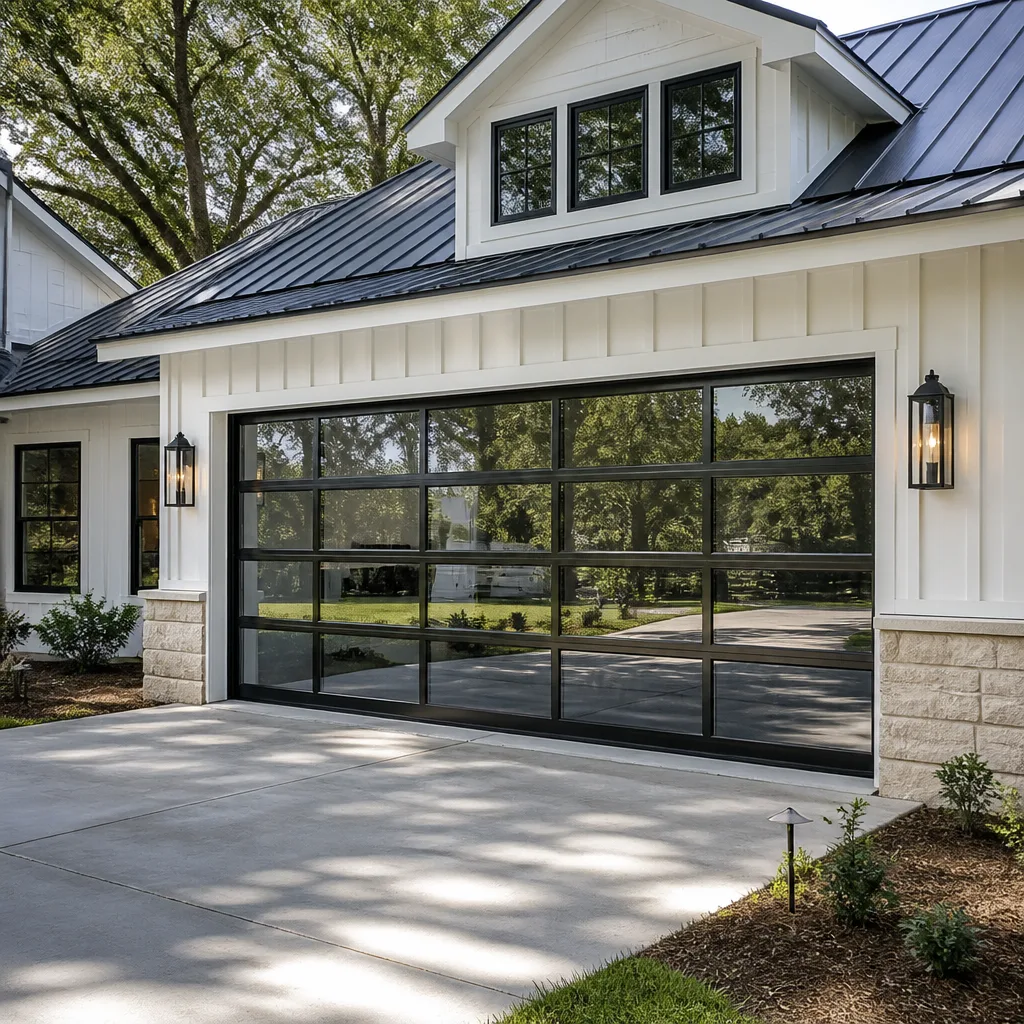
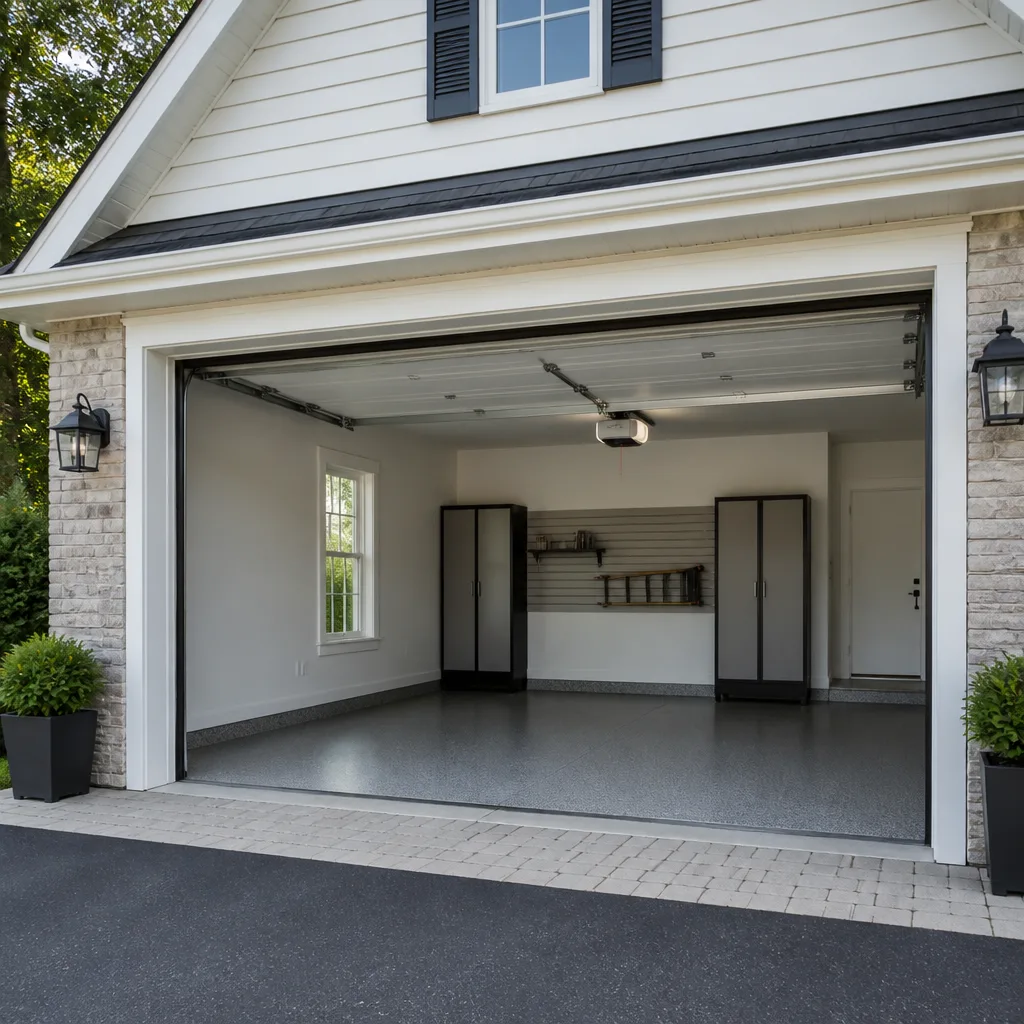
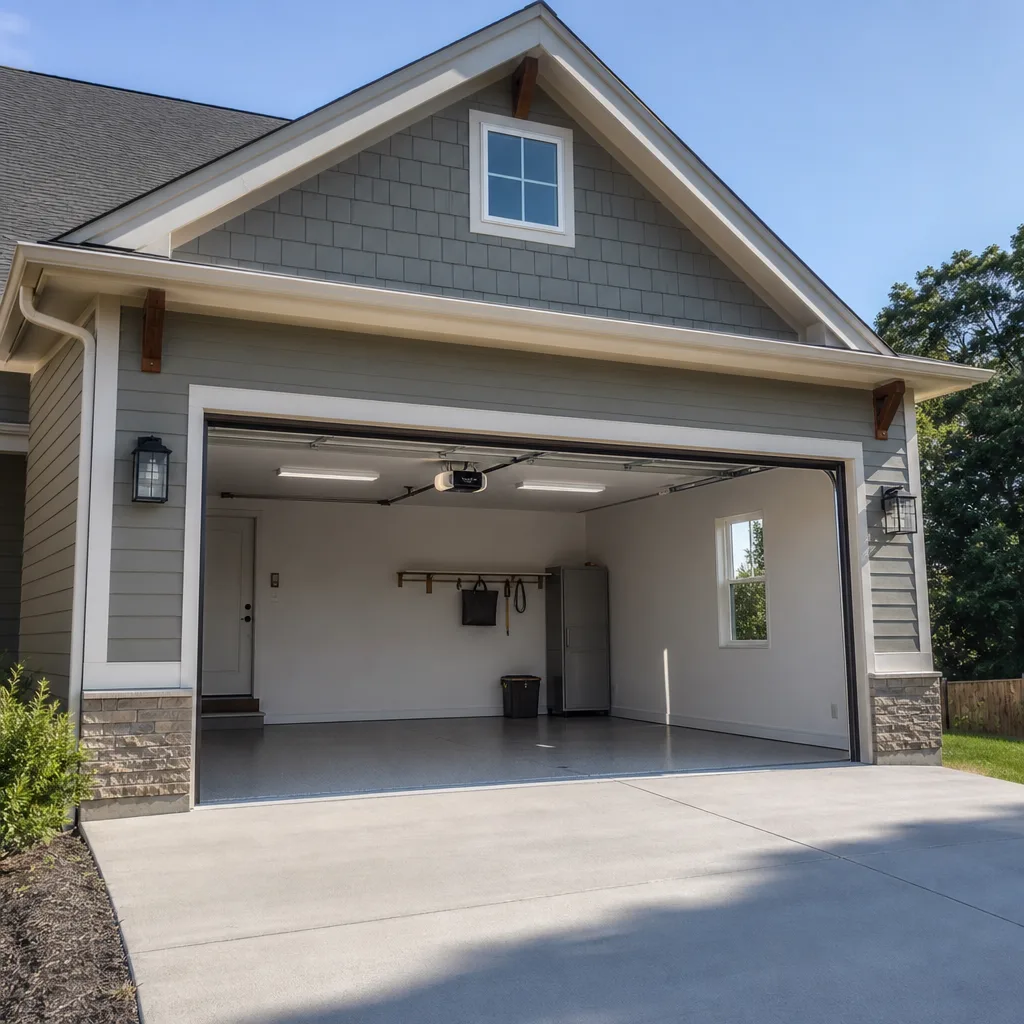
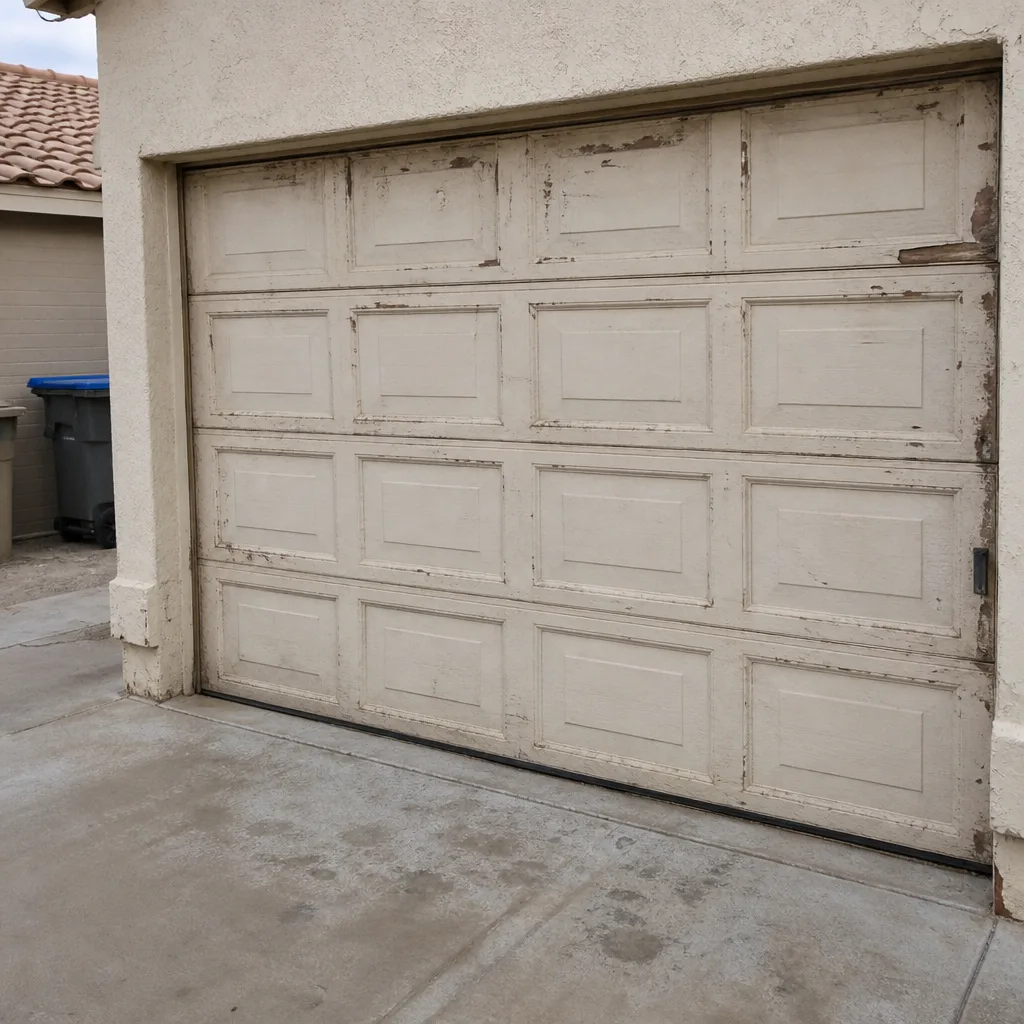 Before
 After
After Before
 After
After Before
 After
AfterGarage Door Permits, Codes & Inspections in AZ: What You Need to Know
Most Chandler homeowners replace a garage door at some point, but few realize that the difference between a permitted job and an unpermitted one often comes down to a single question: did you touch the header? A like-for-like panel swap rarely triggers a permit. Replacing the entire opening, moving the tracks, or altering the structural beam above the door usually does. This guide explains exactly where that line sits in Chandler and Maricopa County, what the inspector looks for, and how paperwork from a permitted installation protects you when you sell. For related reading, see our Garage Door Repair Maintenance Checklist for Chandler Homeowners. If you’ve been quoted for garage door work in Chandler and the contractor waved off the permit question, read this before you sign anything.
Quick Answer
In Chandler, Arizona, replacing garage door panels, springs, or openers on an existing door is typically classified as a like-for-like repair and does not require a building permit. Replacing the full door system, enlarging the opening, or altering the structural header above the door generally does require a permit from Chandler Development Services, and the cost ranges from roughly $150 to $400 for the permit itself depending on project valuation. The determining factor is whether structural work is involved, not the price of the door.
Table of Contents
- When Does a Garage Door Project Need a Permit in Chandler?
- The Like-for-Like Replacement Rule: Where the Line Actually Sits
- Garage Door Fire Ratings: The Code Point Almost Nobody Knows
- How to Pull a Permit Yourself vs. Using a Licensed Contractor
- The Chandler Inspection Checklist: What the Inspector Is Looking For
- Unpermitted Work and Your Seller’s Disclosure: What the Title Search Can Surface
- What Permits and Inspections Actually Cost in Chandler
- Common Mistakes to Avoid
- When to Call a Professional
- Frequently Asked Questions
- The Bottom Line
BeforeAfterWhen Does a Garage Door Project Need a Permit in Chandler?
Chandler Development Services, which enforces the city’s building codes under the Arizona jurisdiction of the International Residential Code (IRC), uses a straightforward test for garage door work: a permit is required when the project alters structure, changes the opening size, or modifies fire-rated assemblies. A permit is not required when you’re swapping out worn components on an existing door without changing how the door is mounted or what it’s attached to.
Here’s the practical breakdown for Chandler homeowners:
- No permit needed: replacing torsion springs, replacing extension springs, swapping hinges and rollers, replacing a damaged panel (same size, same track system), installing a new opener motor on an existing rail, replacing sensors, keypads, or remotes.
- Permit required: replacing the entire door when the new door has a different thickness or fire rating than the old one (rare but possible), enlarging the garage door opening, converting a two-car opening to a one-car or vice versa, replacing or altering the header beam above the door, installing a new door where none existed, or adding a second garage door to an existing garage.
- Gray zone, ask first: full door replacement on an attached garage where the existing door is original to a home built before current fire-rating standards, or any job where the contractor says “we might need to redo the framing.”
In our experience replacing doors across Chandler, the most common permitting surprise-and one we cover in our Garage Door Warning Signs: A Chandler Homeowner’s Reference Guide-is the full-system replacement on an attached garage. Homeowners assume the permit requirement hinges on cost. It doesn’t. A $4,000 door replacement that reuses the existing tracks and header is often classified as a repair. A $1,800 project that includes reframing the opening because the original wood buckled in a monsoon storm triggers a permit. The structure, not the invoice, is the test.
The Like-for-Like Replacement Rule: Where the Line Actually Sits
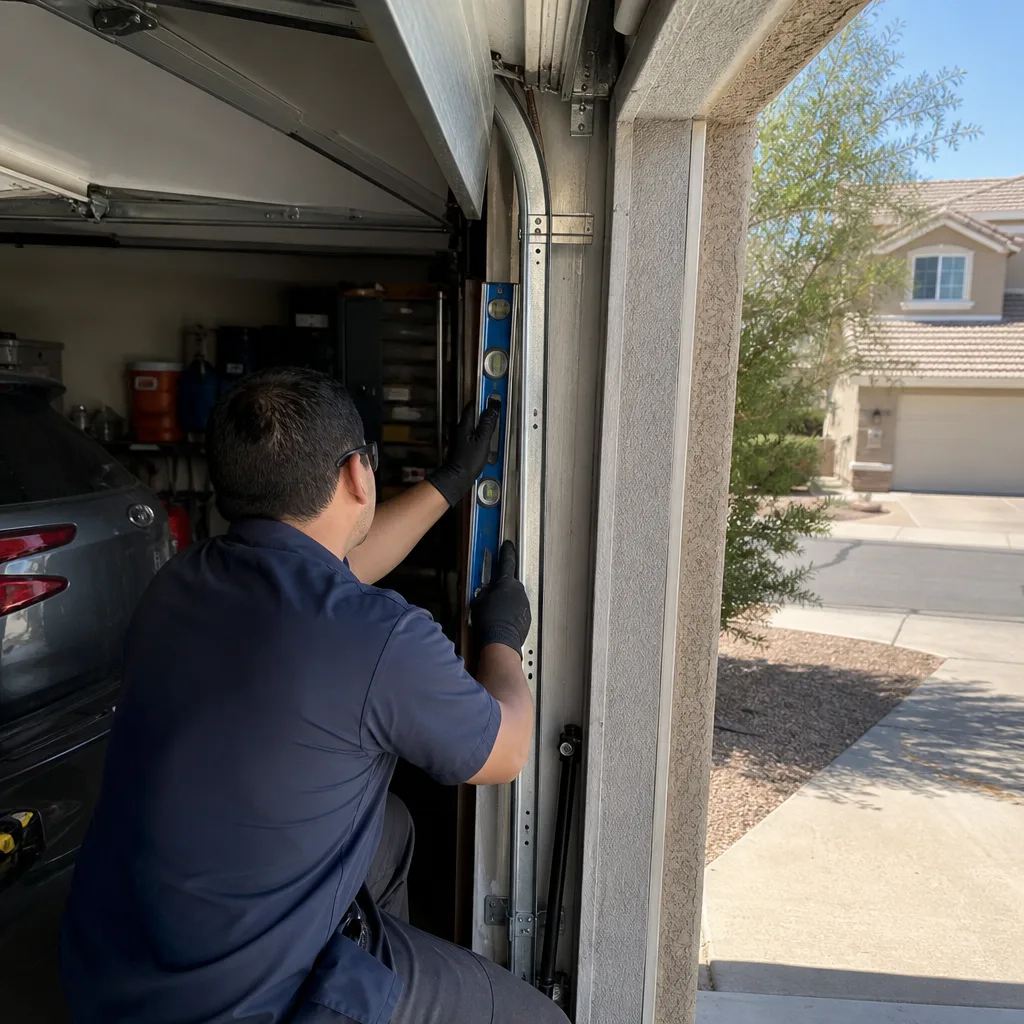
The IRC and Chandler’s local amendments draw the line at “like-for-like” replacement. That phrase means: the new component performs the same function, mounts in the same location, and places no additional load on the structure. A new torsion spring of the same wire diameter and length is like-for-like. A new opener motor that bolts to the same header bracket is like-for-like. A new steel door that weighs significantly more than the old wood door it replaces may not be, because the additional weight changes the load on the tracks, the header, and the wall framing.
Here’s how to think about it in practice:
- Ask what’s being removed. If the answer is “panels, springs, cables, rollers, or the opener unit,” you’re almost certainly in permit-exempt territory.
- Ask what’s being added. If the answer includes “new framing, a new header, a different track configuration, or a different door size,” you’re in permit territory.
- Ask about the door weight. A steel door from Raynor or Clopay can weigh 150 to 300 pounds more than a hollow wood door of the same size. A significant weight change can shift a job out of like-for-like classification even if the opening dimensions stay identical.
- Ask the contractor to state in writing whether a permit is required. If they won’t or can’t, call Chandler Development Services yourself. They answer these questions routinely and will give you a straight answer based on the project scope.
Marcus Deller, owner at Servo Garage Doors Chandler, has seen what happens when this question gets skipped. A homeowner in the Ocotillo area had a contractor replace a full door without a permit because the opening dimensions didn’t change. The new door weighed significantly more than the original, the tracks weren’t rated for the load, and within a year the rollers were chewing through the brackets. The permit process would have flagged that. The missing permit also surfaced on a title search when the owner sold two years later, and it cost more to remediate at the point of sale than it would have cost to pull the permit in the first place.
On a related note, if you’re replacing an opener at the same time as your door, our Garage Door Opener Repair & Installation in Chandler guide covers what’s code-compliant for current openers, including photoelectric sensor requirements.
Garage Door Fire Ratings: The Code Point Almost Nobody Knows
The IRC contains a provision that surprises almost every homeowner who learns about it: a garage door that separates an attached garage from living space is part of a fire-rated assembly. That means the door itself, the wall it’s mounted in, and the door between the garage and the house interior all have specific fire-resistance requirements designed to slow a garage fire from entering the home.
For Chandler homes, here’s what that means in plain terms:
- The wall between the garage and the house interior (including the door from garage to inside) typically requires a 20-minute fire rating under IRC Table R302.6. That’s a wall-and-door assembly rating, not a paint color or material preference.
- The overhead vehicle door itself is generally not required to have a fire rating, because the code treats the interior wall and door as the separation line. The overhead door is on the garage side of the rated assembly.
- However, if your garage is converted to living space, finished as a bonus room, or features a bedroom above it, the fire separation requirements change and can extend to the garage door opening. This is a Chandler-specific scenario we see in homes built in the 1990s and early 2000s, when attic-to-bonus-room conversions were common in neighborhoods like Fulton Ranch and Carino Estates.
- If your garage is detached, the fire-rating conversation mostly disappears, but electrical and structural code still apply to the door and opener installation.
The reason this matters for permitting is straightforward: if your garage door replacement triggers a permit, the inspector will verify that any fire-rated assembly requirements remain intact. A contractor who removes the door between the garage and the house, or cuts through a rated wall to run opener wiring, has now compromised the fire separation. That’s a code violation that can fail an inspection and needs to be fixed before the project closes out.
How to Pull a Permit Yourself vs. Using a Licensed Contractor
In Chandler, homeowners have the legal right to pull a building permit for work on their own home under what Arizona and Chandler refer to as the homestead exemption. A licensed contractor can also pull the permit. The two paths have different costs, timelines, and paperwork requirements, and the choice matters more than most people expect.
Homeowner-Pulled Permit
- Cost: Permit fees are the same whether you or the contractor pulls it. The homeowner path saves the contractor’s markup, but that markup is usually small, not hundreds of dollars.
- Responsibility: When you pull the permit, you are listed as the responsible party on the permit. If the work fails inspection, you own the correction. If the contractor walks off the job, you own the incomplete permit.
- Timeline: Chandler Development Services typically processes residential garage door permits within 5 to 10 business days, but homeowner-pulled permits sometimes take longer because the application commonly omits required documentation: door specifications, fire-rating information, or a site plan.
- Disclosure: If you pull the permit yourself and hire an unlicensed worker to do the labor, Arizona law limits your recourse when the work goes wrong. A licensed contractor pulling the permit means the contractor’s license and bond are on the line.
Contractor-Pulled Permit
- Cost: Expect the permit line item on a contractor’s proposal to run from roughly $150 to $400 for a full door replacement, with the inspection fee usually included in that line item. Chandler fees are based on project valuation, so a higher-priced door means a slightly higher permit.
- Why it matters: A licensed contractor’s license number goes on the permit. That gives the city a party to hold accountable and gives you a documented record that the work was done by a licensed professional.
- What we do: Servo Garage Doors Chandler pulls permits through our own license on every job where Chandler requires one. The permit number appears in the written scope we provide before any work starts, and the final inspection result is included in the photo record we deliver at the end of the job.
Our full Garage Door Installation in Chandler page walks through the installation process in more detail, including how permitting fits into the timeline.
The Chandler Inspection Checklist: What the Inspector Is Looking For
If your garage door project requires a permit, it will also require at least one inspection. Knowing what the Chandler inspector checks in advance prevents failed inspections, which in Chandler means a re-inspection fee and a reschedule that can add a week or more to the project.
Here’s the checklist a Chandler inspector works from on a permitted garage door job:
- Header integrity: The beam above the door must be the correct size for the opening span and the load it carries. Chandler sits in a high-wind region, and the IRC wind load requirements for openings are specific about header sizing. An undersized header is the most common garage door inspection failure in Chandler.
- Track mounting: Vertical and horizontal tracks must be attached to framing members, not drywall or stucco alone. The inspector will look at the lag bolt pattern and spacing.
- Fire separation: If the garage is attached to living space, the inspector verifies that the wall and interior door meet the required rating and that the overhead door installation didn’t compromise the assembly.
- Opener safety devices: Current IRC and CPSC requirements mandate photoelectric sensors mounted no higher than 6 inches above the floor, a reversing mechanism that works under load, and a manual release handle that’s reachable.
- Electrical: A new opener requires a dedicated 120-volt circuit in most cases. The inspector checks the outlet location, the wiring method, and whether the opener’s electrical installation meets current code.
- Wind load compliance: For doors in Chandler’s wind zone, the inspector may verify that the door system is rated for the required design wind pressure. This is documented in the door manufacturer’s specifications, so keep that paperwork with the permit.
- Final visual inspection: The door should cycle smoothly, balance correctly when disconnected from the opener, and sit flush in the opening with no visible gaps at the sides or top.
Unpermitted Work and Your Seller’s Disclosure: What the Title Search Can Surface
Here’s the part of the garage door permit conversation that almost no contractor explains to a homeowner, and it’s the reason we document every install the way we do. When you sell a home in Chandler, Arizona law requires you to complete a seller’s property disclosure statement. One of the questions on that form asks whether you have knowledge of any work done on the property without a required permit.
If you answer no and the buyer’s title search surfaces unpermitted work, you’ve now got a disclosure problem in addition to a code problem. Maricopa County title searches and Chandler municipal records can both show permit history. Unpermitted work that requires remediation can delay a closing, reduce the sale price, or scuttle a deal entirely.
The fix is not complicated. It looks like this:
- Permit pulled before the work starts: You have a Chandler Development Services record that ties the work to the permit and the inspection. That record transfers cleanly with the property.
- Final inspection passed: The inspection result is attached to the permit record. When a buyer asks “was this permitted,” the answer is a documented yes, not a shrug.
- Unpermitted work discovered later: You (or the buyer, if you’ve already sold) will need to pull a retrofit permit, have the work inspected, and correct anything that fails. Retrofit inspections often find things that would have been caught the first time, and the correction costs come out of someone’s pocket at a worse moment.
- Like-for-like opener replacement: No permit required. No fee.
- Panel replacement, springs, cables, rollers: No permit required. No fee.
- Full door replacement (permit required): $150 to $275, based on project valuation.
- Door replacement with header or framing work: $225 to $400, because the project valuation includes structural scope.
- Re-inspection fee (if the first inspection fails): Typically $75 to $150.
- Retrofit permit for unpermitted work: Often double the standard fee because the city must review work that’s already been done, which requires additional documentation.
- Assuming cost determines permit need. A $1,500 door replacement that includes framing work needs a permit. A $5,000 like-for-like panel replacement doesn’t. The scope, not the price, is the test.
- Letting a contractor talk you out of a permit. Any contractor who says “we don’t need a permit for this” without checking the scope against Chandler’s requirements is either uninformed or avoiding the inspection. Neither is acceptable. Get the statement in writing.
- Pulling the permit yourself and then hiring unlicensed labor. You’ve taken on the legal responsibility for work being done by someone who has no license on the line. The city will hold you, not the worker, accountable for failures.
- Ignoring the fire-rating question on an attached garage. If your garage shares a wall or ceiling with living space, the code requirements don’t end at the overhead door. A contractor who cuts through a fire-rated wall for opener wiring has created a violation.
- Throwing away door specifications. The wind-load rating, fire-rating documentation, and manufacturer specs for your new door are part of the permit record. File them somewhere you’ll remember. Losing them complicates a future sale.
- Replacing the door without considering the header’s condition. Chandler’s heat and monsoon humidity cycle takes a toll on wood headers. If the existing header has rot or has sagged, a new door mounted to it is a future inspection failure waiting to happen.
- Accepting a verbal “we’ll take care of the permit” without a permit number. The written scope should include the permit number or at minimum the confirmation that the permit has been pulled before work starts. A verbal assurance is not documentation.
This is also why Clause 4 of The Haven Standard exists. The technician photographs the failed component before quoting a replacement. That photo record, along with the permit record and the written scope, becomes the documentation trail that protects you at resale. “Trust us” doesn’t move a title search. Paperwork does.
What Permits and Inspections Actually Cost in Chandler
Chandler permit fees for garage door work are not a mystery, and anyone who tells you it’s an expensive bureaucratic hurdle is either guessing or hasn’t pulled one recently. Here’s the realistic range for residential garage door permits in Chandler as of the current fee schedule:
Typical permit costs for garage door projects in Chandler:
The permit is also quoted and agreed before any work starts when you work with us. It appears as a line item in the written scope, next to the door cost and the labor cost. There is no scenario where the permit fee shows up as a surprise at the end of the job, because Clause 1 of The Haven Standard requires the flat, written price before any work begins.
Common Mistakes to Avoid
When to Call a Professional
Any garage door project that involves the header, the opening dimensions, or the fire-rated assembly should be handled by a licensed contractor. That’s not a sales pitch. That’s the point where the work stops being a repair and becomes a structural modification, and the code and liability picture changes accordingly. The same applies if you’ve discovered unpermitted work from a previous owner and need a retrofit permit pulled: the city will want a licensed contractor’s name on that application. Servo Garage Doors Chandler offers free estimates in Chandler, and every estimate includes a written price and a written scope before any work starts. Call (520) 482-1879 if you have questions about whether your specific project needs a permit.
Frequently Asked Questions
It depends on the scope. Replacing panels, springs, cables, rollers, or the opener on an existing door is generally classified as like-for-like repair and does not require a Chandler permit. Replacing the entire door system, altering the opening size, or modifying the structural header does require a permit from Chandler Development Services. If you’re unsure where your project lands, call our team at (520) 482-1879 and we’ll tell you straight.
A typical full door replacement permit in Chandler runs $150 to $275, while a project that includes header or framing work runs $225 to $400. Re-inspection fees are typically $75 to $150. These are Chandler Development Services fees based on project valuation, and they should appear as a line item in any contractor’s written scope.
Yes. Chandler allows homeowners to pull permits for work on their own home under the homestead exemption. The fee is the same as a contractor-pulled permit. The difference is responsibility: with a homeowner-pulled permit, you are the responsible party on record, and if the work fails inspection or the contractor walks away, you own the correction.
Unpermitted work can surface during a Maricopa County title search or through Chandler municipal records, and Arizona seller’s disclosure forms ask directly about unpermitted work. Failing to disclose it creates a legal exposure at the point of sale. The fix is to pull a retrofit permit, have the work inspected, and correct anything that fails before you list.
A Chandler inspector checks header integrity, track mounting into framing members, fire separation on attached garages, opener safety devices including photoelectric sensors and reversing mechanisms, electrical wiring for the opener, wind load compliance, and a final visual inspection of the door’s operation and fit. Failed inspections most commonly trace to undersized headers or sensors mounted too high.
For most attached garages, the overhead vehicle door itself does not require a fire rating, because the IRC treats the interior wall and pedestrian door between the garage and the house as the fire-rated separation line. However, if your garage is converted to living space or has a bedroom above it, the fire separation requirements change and can extend to the garage door opening. This is worth confirming with Chandler Development Services before any work begins.
The Bottom Line
The garage door permit question in Chandler comes down to structure, not price. A like-for-like panel or spring replacement is exempt. A full system replacement, opening modification, or header work is not. Fire-rating requirements, wind load compliance, and seller’s disclosure obligations all trace back to the same point: documentation matters. The permit record and the inspection result are the proof you need when you sell, and the absence of that paperwork becomes a liability at the worst possible time. If you’re planning garage door work in Chandler and want a straight answer on permits, codes, or costs, call (520) 482-1879. We’ll tell you what your project requires, and you’ll have it in writing before any work begins. For more on what a full replacement involves, see our Garage Door Repair in Chandler guide, or start at the Servo Garage Doors Chandler home page to see how our written-price-first system works.
Written by Marcus Deller, Owner at Servo Garage Doors Chandler, serving Chandler since 2015. Browse more guides & resources from our team.