
Last updated September 20, 2026
Full 25-point door and opener safety check with every visit - springs, cables, rollers, tracks, and your LiftMaster or Chamberlain opener included
You get a price before we start. It does not change when the truck arrives.
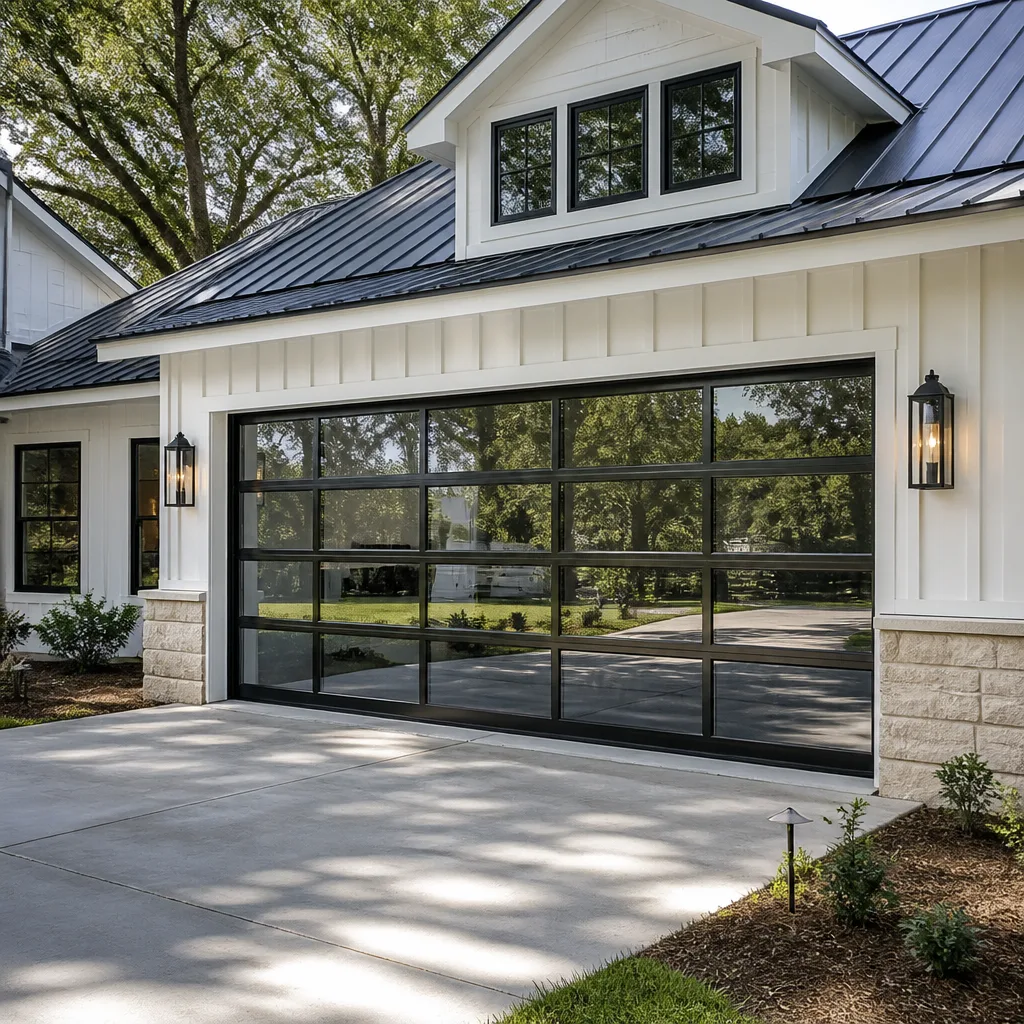
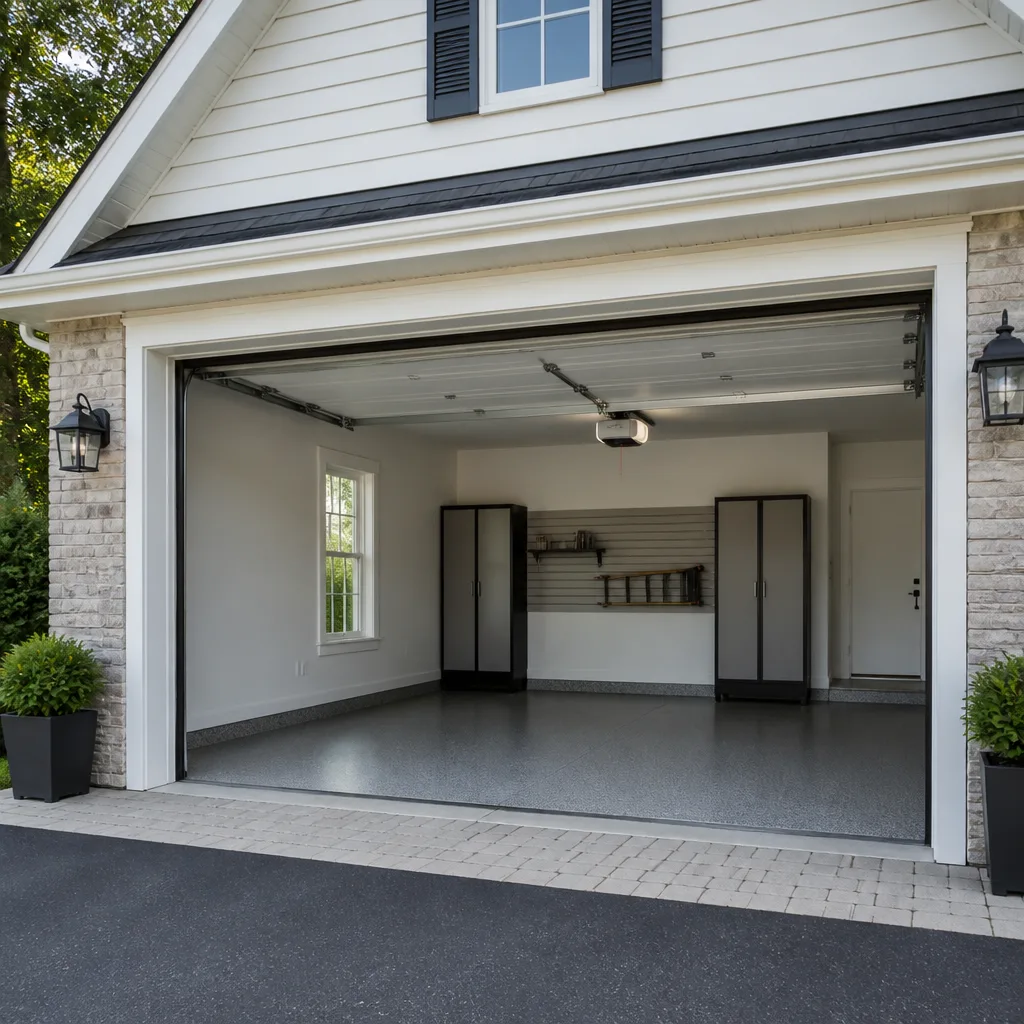
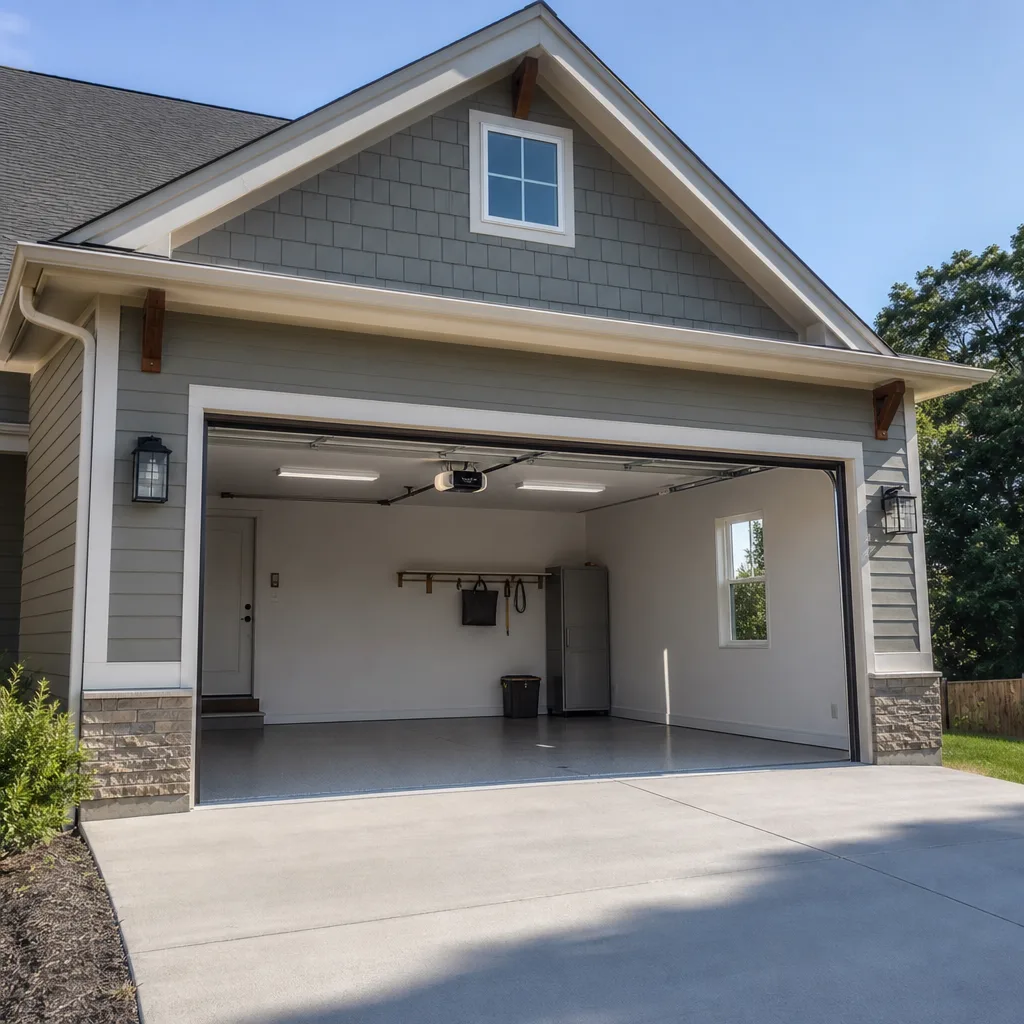
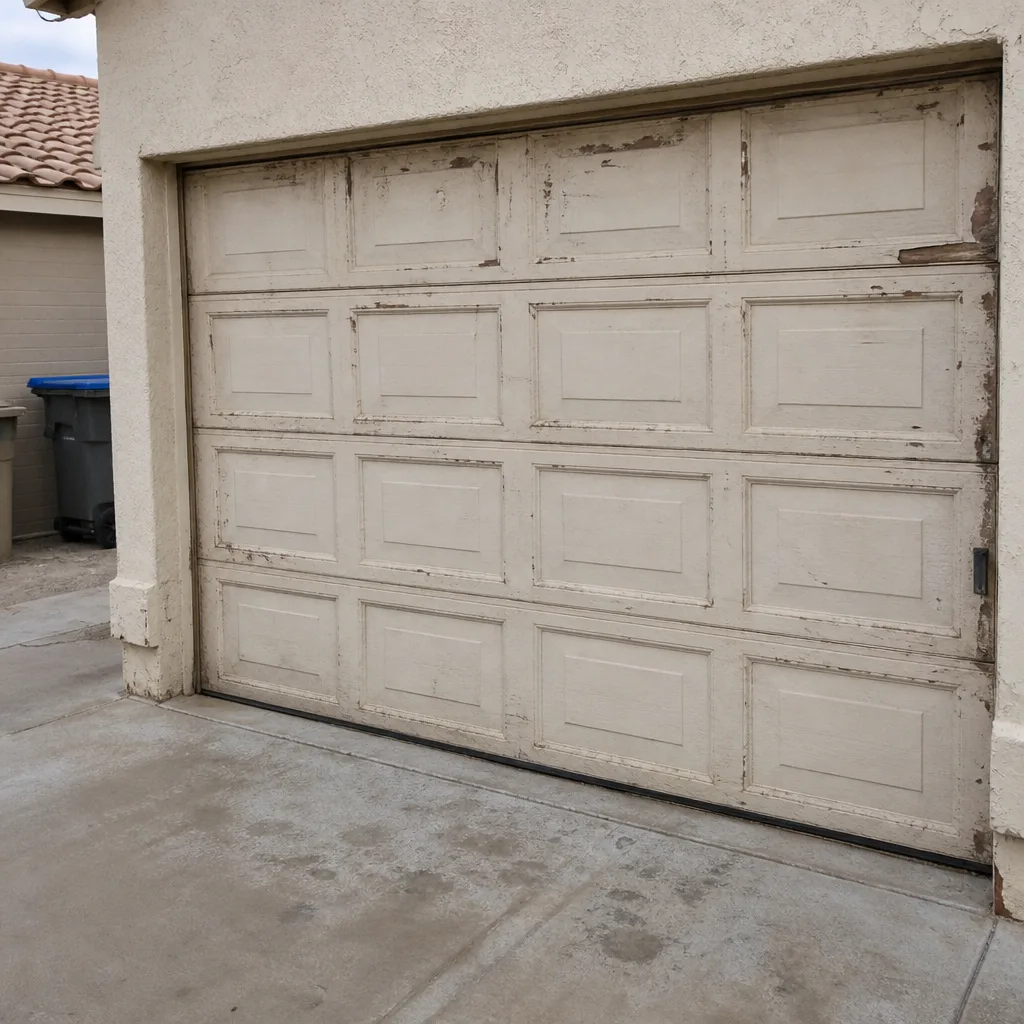 Before
 After
After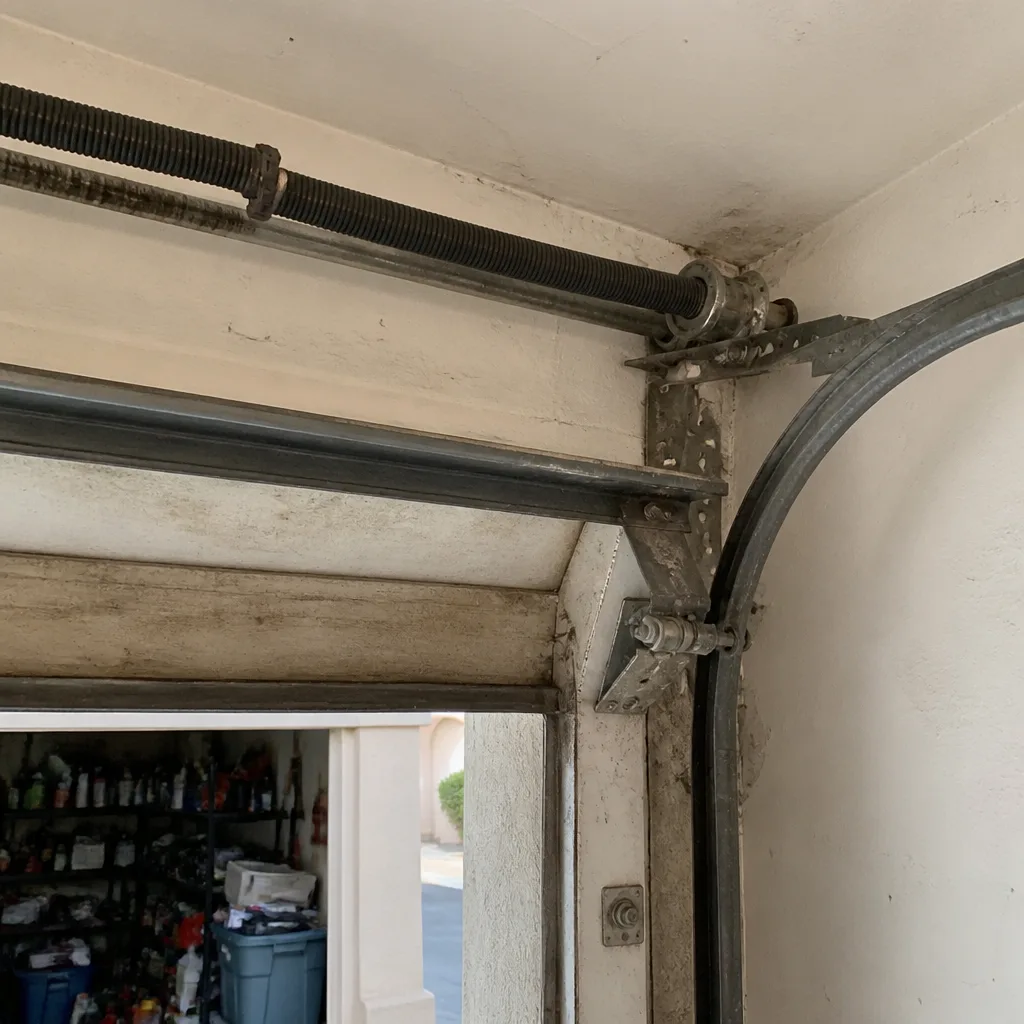 Before
 After
After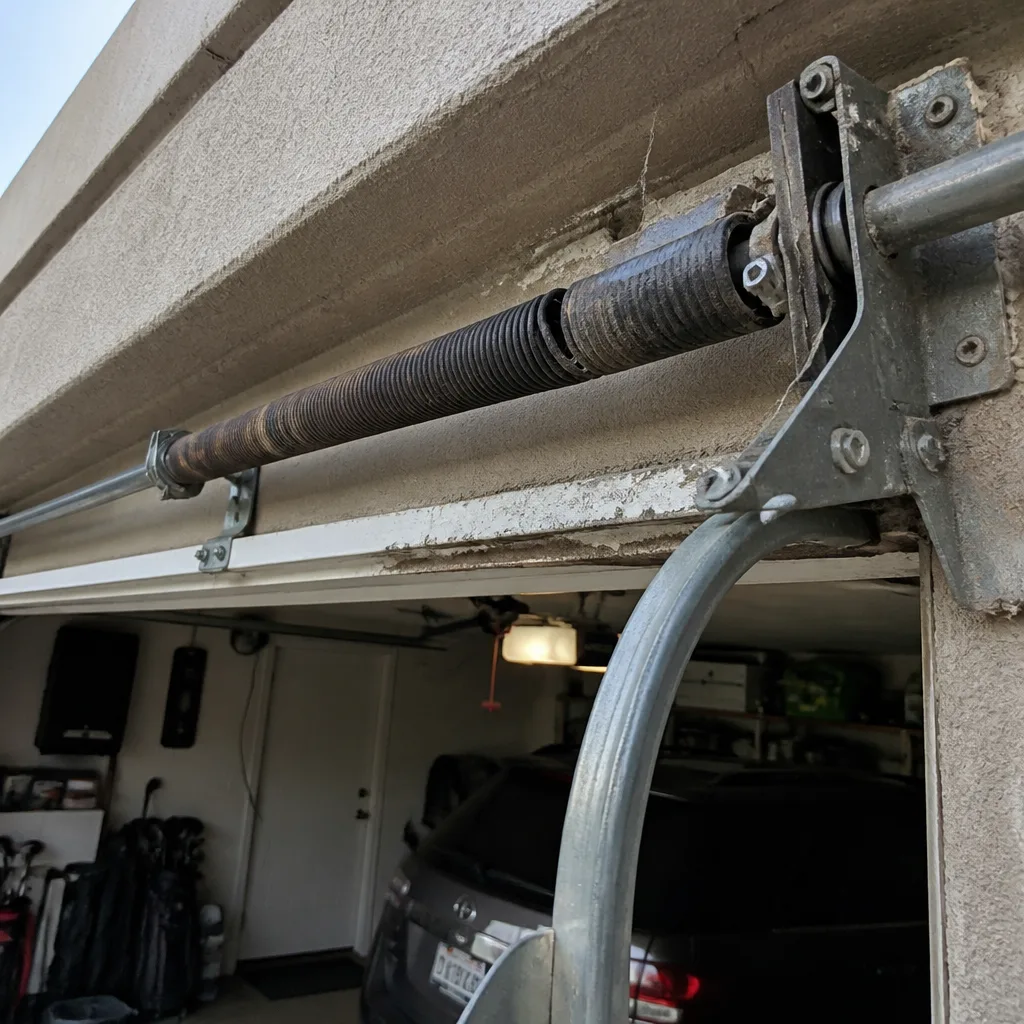 Before
 After
AfterDIY vs Professional Garage Door: The Chandler Homeowner’s Decision Guide
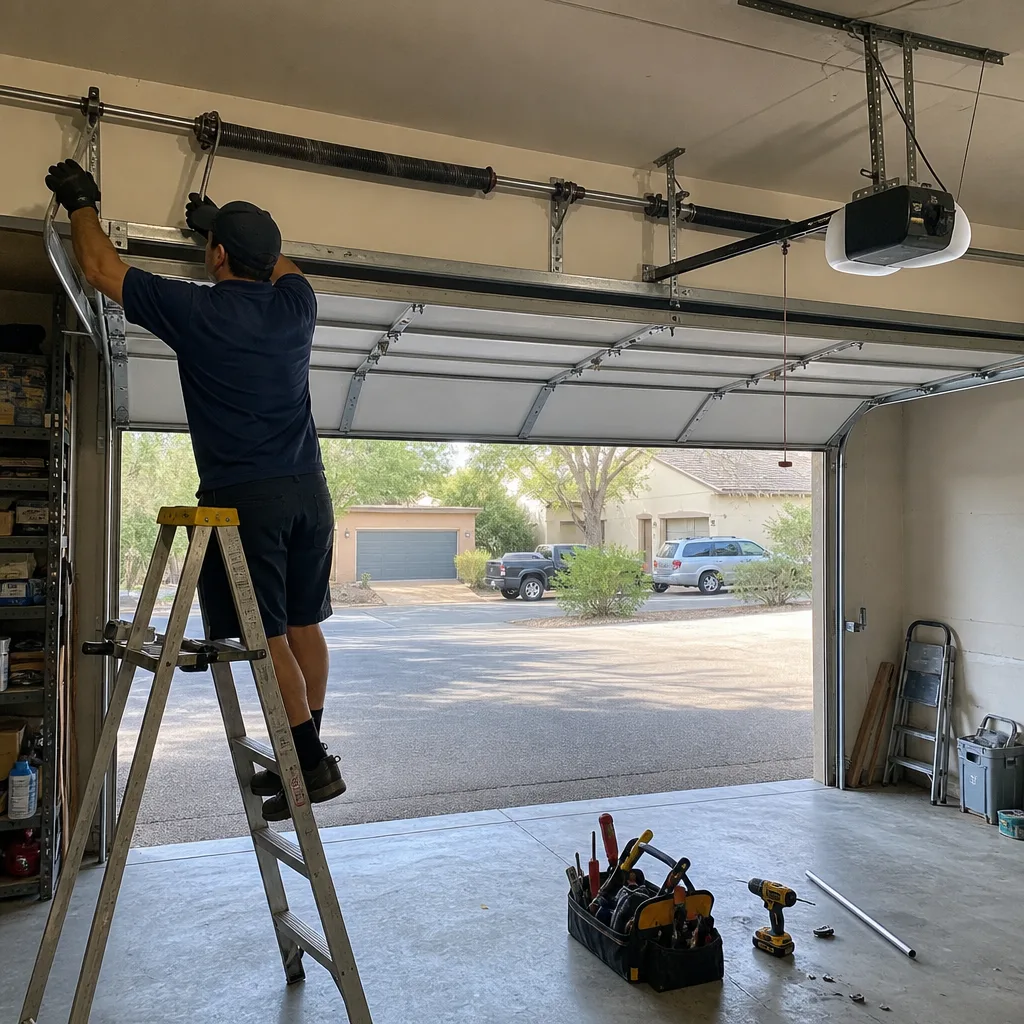
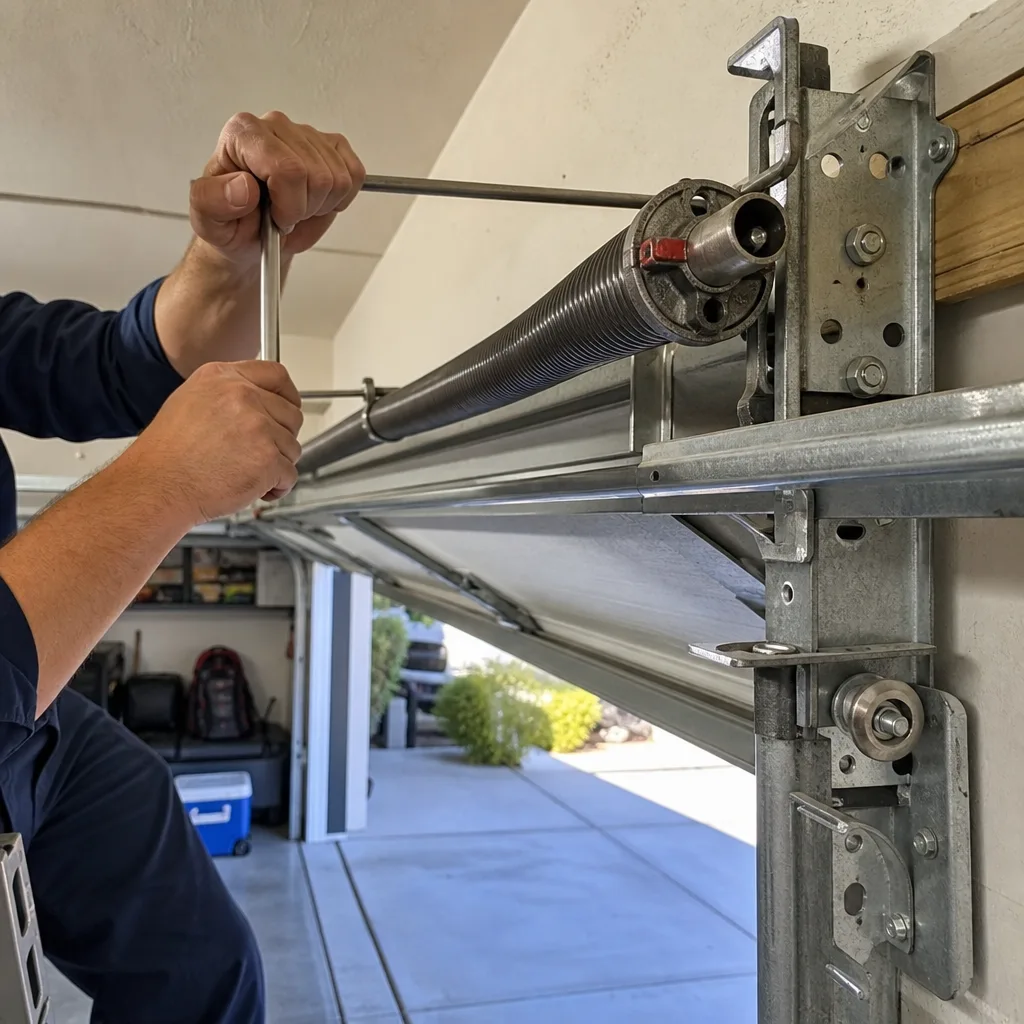
A garage door torsion spring stores enough mechanical energy that the Occupational Safety and Health Administration maintains a specific handling warning for it in the Code of Federal Regulations. It is one of the only residential components with its own federal safety notation. It is also the part most frequently featured in DIY tutorial videos filmed in driveways across Chandler, often by people who have never read the warning. This guide walks through which garage door tasks a homeowner in Chandler can reasonably handle, which ones require a licensed professional, and what each path actually costs when you include the risk the tutorials leave out. For more guides & resources on keeping your door safe and functional, see our blog.
Quick Answer
For most garage door maintenance in Chandler, the DIY-versus-professional decision comes down to one question: does the task involve stored mechanical energy? If it does, hire a licensed technician. If it doesn’t, and you have basic tools and patience, you can likely do it yourself. Torsion spring replacement, cable work, and opener logic board replacement are professional jobs. Lubrication, sensor alignment, weather seal replacement, and visual inspections are DIY-friendly. The cost difference is smaller than it appears once you factor in tools, time, and the probability-weighted cost of an injury.
Table of Contents
- The Energy Question: What Makes a Task Dangerous
- Tasks You Can Safely Do Yourself in Chandler
- Tasks That Require a Professional, Every Time
- The Real Cost Math of DIY Spring Replacement
- Opener Installation: When You Need an Electrician
- Chandler Permit Requirements: DIY Does Not Exempt You
- How to Document a DIY Repair So It Doesn’t Bite You Later
- Common Mistakes to Avoid
- When to Call a Professional
- Frequently Asked Questions
- The Bottom Line
BeforeAfterThe Energy Question: What Makes a Task Dangerous
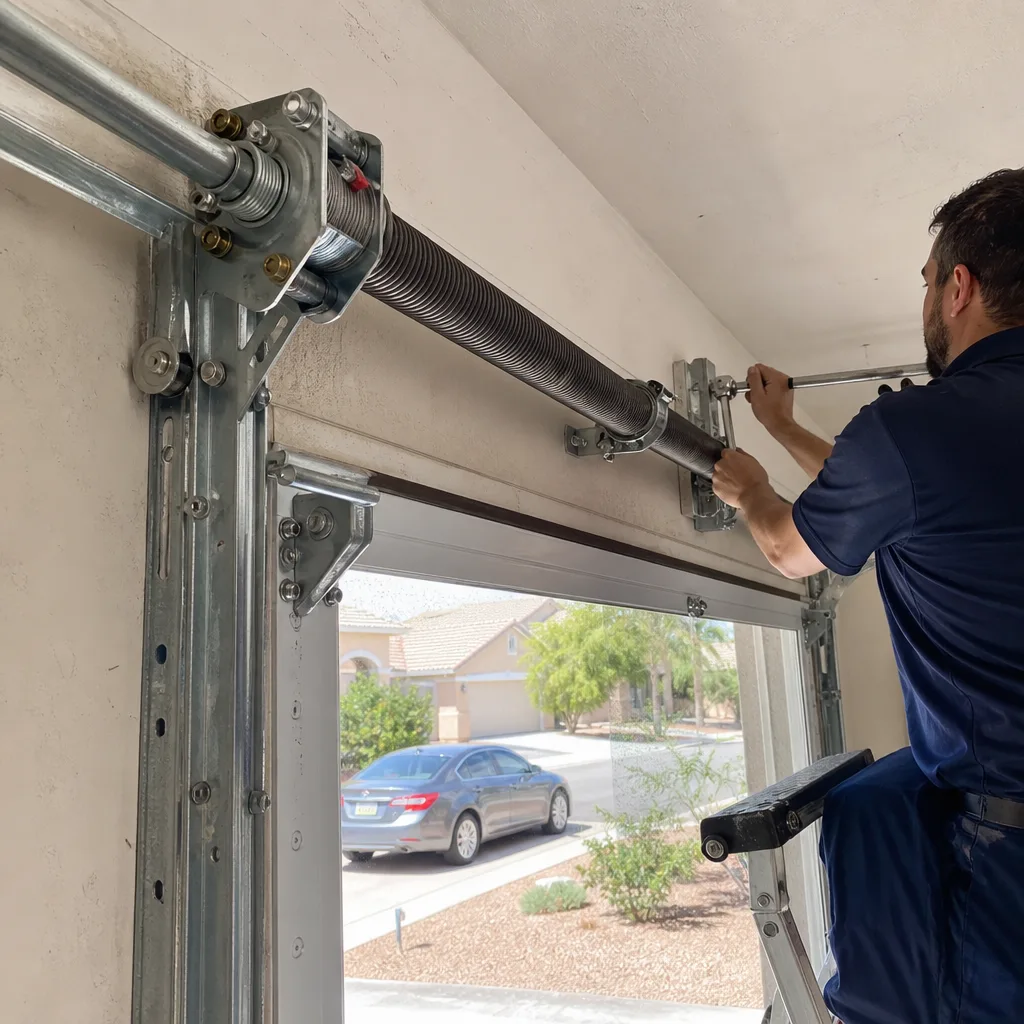
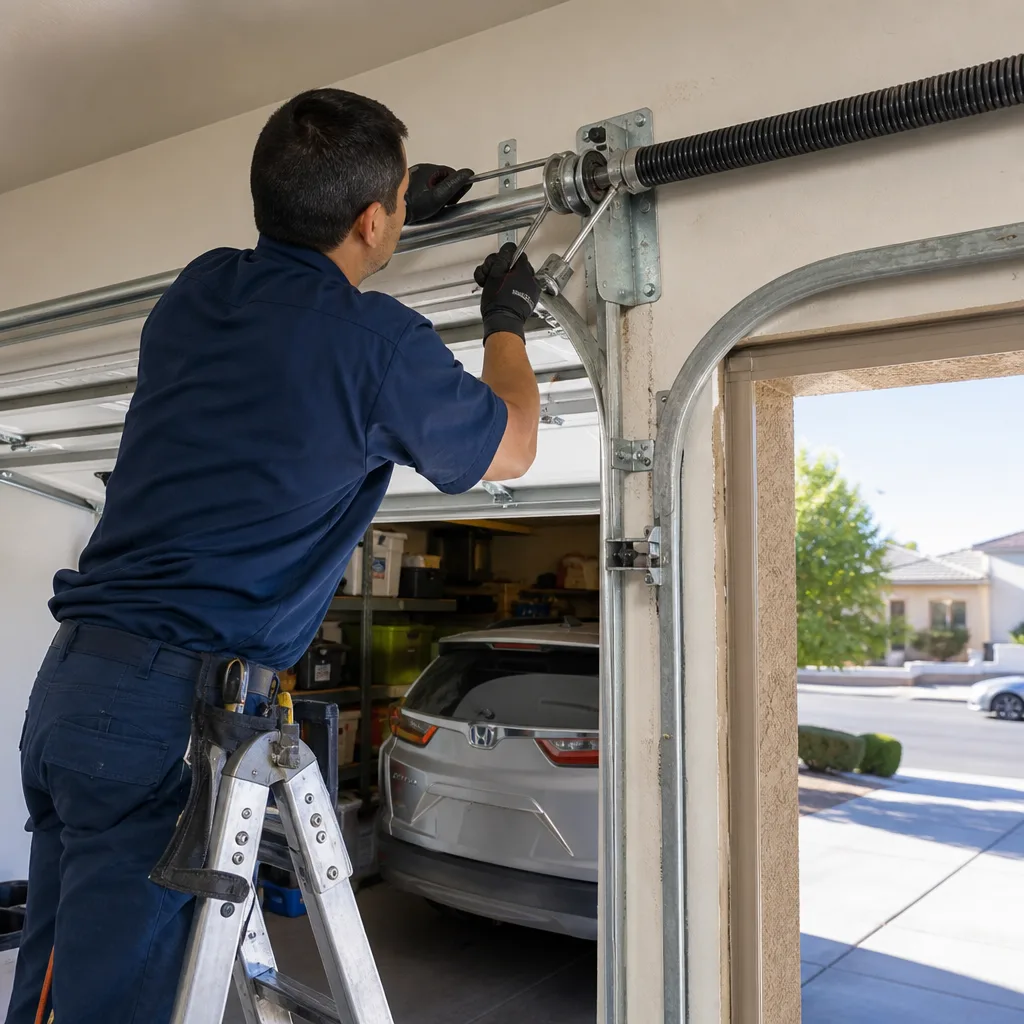
A garage door looks simple from the outside: four panels, a few rollers, a motor hanging from the ceiling. What you cannot see is the tension stored in the springs above the door. A torsion spring is a coil of hardened steel wound tight enough to counterbalance the full weight of the door, typically 150 to 250 pounds for a double-wide. When that spring breaks, the energy releases suddenly. When it is being wound or unwound by someone who has not done it before, the energy is released through the winding bar, which is why the OSHA regulation exists specifically for this component. In our work across Chandler, we have seen springs break through drywall, dent car hoods, and in one case send a winding bar through a window. The door itself is not the danger. The spring is.
This is the principle that should drive every DIY decision. Replace a hinge? No stored energy. Adjust the travel limit on an opener? No stored energy. Remove a torsion spring? Enough stored energy to break bone. The dividing line is not skill level or confidence. It is physics. A careful person with zero experience is safer replacing a door panel than an overconfident person with average tools is touching a spring. In the sections below, we sort every common garage door task by whether crossing that line is required.
Tasks You Can Safely Do Yourself in Chandler
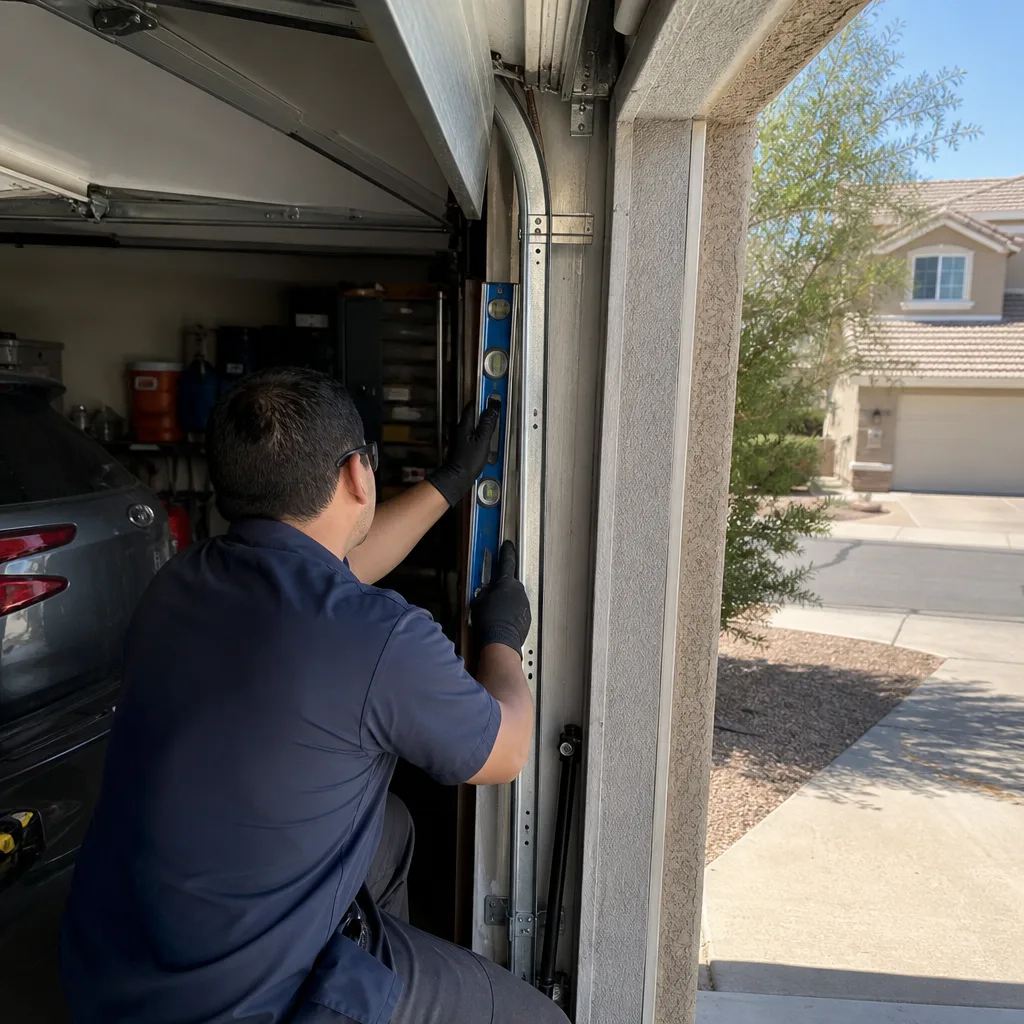
The following tasks involve no stored mechanical energy, require only basic tools, and are within reach of a typical Chandler homeowner. Each one can be completed in under an hour, and none of them require disconnecting or adjusting the spring system.
- Lubricating the rollers, hinges, and tracks. Use a white lithium grease on the hinges and rollers, and a silicone spray on the tracks. In Chandler’s dry heat, door hardware dries out faster than in humid climates, so doing this every six months will keep the door noticeably quieter. Do not lubricate the spring itself. It does not need it, and grease on the coils can attract dust that accelerates wear.
- Aligning the safety sensors. The two photo eyes at the bottom of each track can be knocked out of alignment by a broom, a basketball, or a child. When the opener refuses to close and the lights blink, check that both sensors face each other and that their small indicator lights are steady. Loosen the wing nut, adjust, retighten. This is a five-minute fix and the most common service call we get that could have been avoided.
- Replacing the weather seal at the bottom of the door. The rubber strip along the bottom edge hardens and cracks in Arizona sun, usually within two to three years. A replacement seal costs $15 to $40 at any Chandler hardware store and slides into the aluminum retainer channel. No tools beyond a utility knife are needed. This one task keeps monsoon rain, dust, and scorpions from walking under the door.
- Tightening loose hardware. A garage door cycles thousands of times per year, and the vibration loosens bolts and screws over time. Once a year, go around the door with a socket set and tighten every bolt you can see, especially on the hinges and the track brackets. Do not touch the bolts in the center of the torsion spring cones. Those are under tension.
- Testing the door balance manually. Pull the release cord to disconnect the opener, then lift the door by hand to waist height. If it stays put, the springs are doing their job. If it drops, the springs are worn and will need replacement soon. This is a diagnostic test, not a repair. It tells you what to call about before the spring fails on a Friday night.
- Replacing the remote battery or programming a new remote. Every Opener brand, including Genie and Chamberlain, has a learn button on the motor unit. Programming a remote or keypad takes 60 seconds and the instructions are printed on the opener itself. No tools, no risk, no sense in paying a service fee for this.
The common thread here: none of these tasks require touching the spring, the cables, or the opener’s internal wiring. If you stick to this list, the worst outcome is a misaligned sensor that needs another five minutes of adjustment.
Tasks That Require a Professional, Every Time
These are the jobs where the stored-energy line is crossed. No amount of YouTube preparation makes them safe or cost-effective for a homeowner, and several of them carry risks beyond personal injury, including property damage and voided warranties.
- Torsion spring replacement. This is the one. A torsion spring replacement requires specialty winding bars, an accurate count of the old spring’s wire diameter and coil count, and a specific sequence of winding that cannot be shortcut. The spring is wound to 7 to 8 turns under full tension. If a winding bar slips during the process, it becomes a projectile. This is the repair with the OSHA notation, and it is the repair that puts more Chandler homeowners in urgent care than any other home task. A professional replacement in Chandler typically runs $180 to $340 including parts and labor, which we cover in detail below.
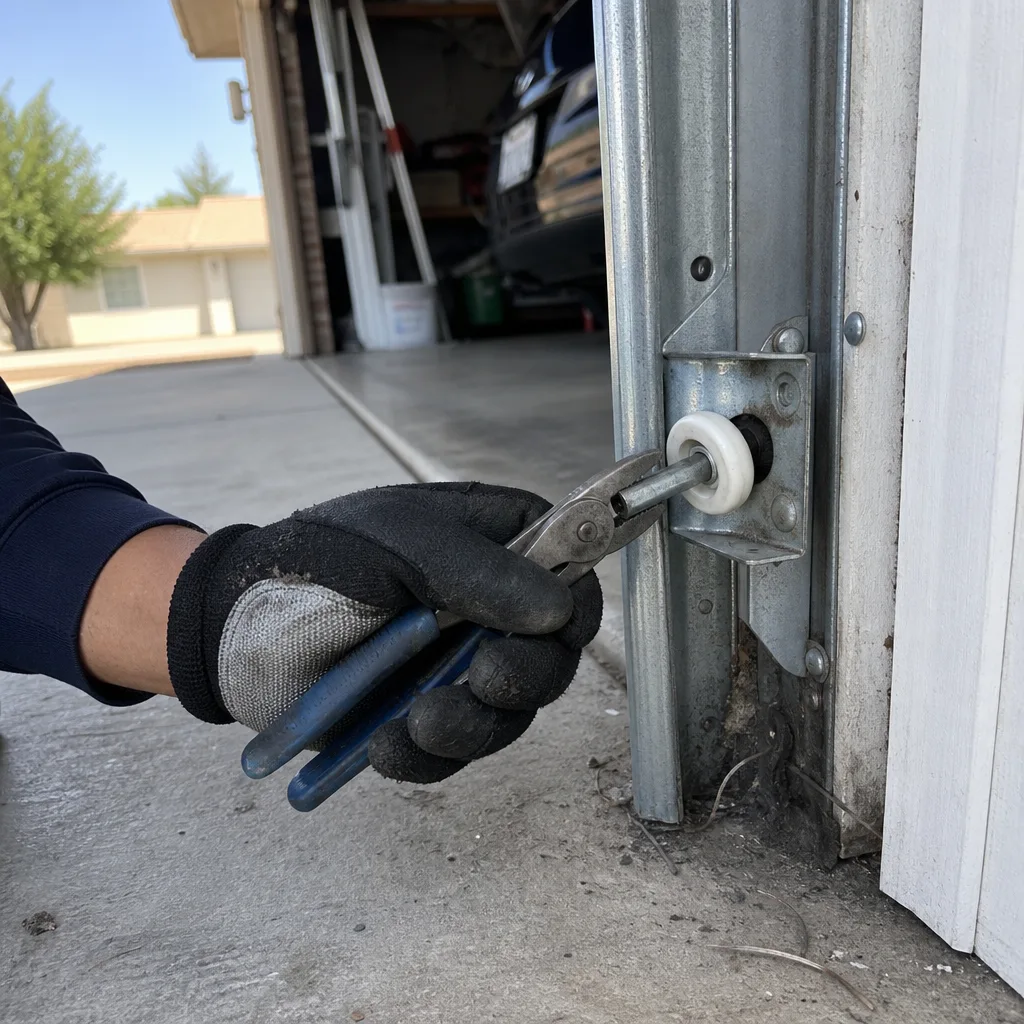
- Cable replacement. The lift cables run alongside the door and attach to the bottom brackets. They are under the same tension as the springs. If a cable snaps while you are replacing the other one, the door falls or the remaining cable whips. Cable work cannot be done safely without first unwinding the spring, which loops back to item one.
- Track replacement or major track realignment. If a track is bent badly enough that the door binds, replacing it means unbolting brackets that hold the door’s weight. Without proper support, the door can shift and fall. A door panel weighs 60 to 100 pounds depending on material, and a full double door weighs 300 pounds or more.
- Opener logic board or internal wiring replacement. The logic board controls travel limits, force settings, and safety reversal. Replacing one means working inside the motor unit with 120-volt power present at the terminals. A wrong connection here can short the board, damage the wall control, or in rare cases start a fire. This is electrical work inside a device that moves a 300-pound door. It is not a plug-and-play repair.
- Full door replacement with torsion conversion. Converting from extension springs to torsion springs, or replacing an older wood door with a steel Clopay or Amarr door, changes the weight and balance of the entire system. The new spring must be matched to the new door’s exact weight. A mismatch means the opener burns out, the door slams, or the spring fails early.
The pattern: if the task requires releasing tension, lifting more weight than you can safely support, or touching live wiring, the professional path is not the expensive option. It is the only option that includes a documented record and a warranty on the work.
The Real Cost Math of DIY Spring Replacement
Let’s run the numbers the way a Chandler homeowner running a household budget would. A pair of torsion springs costs $60 to $120 online or at a local supplier. The winding bars cost $25 to $45 for a set. If you have never done this job, you should also budget for a torsion spring winding video course or a detailed guide, which is free, and for the possibility of an incorrect spring measurement, which is not. Before you start, review our Garage Door Repair Maintenance Checklist for Chandler Homeowners to see which tasks are truly DIY-friendly. The cost of getting the wrong wire diameter or coil count is a second spring purchase and another two hours of work.
| Cost Item | DIY | Professional (Chandler market) |
|---|---|---|
| Parts (pair of torsion springs) | $60-$120 | Included |
| Specialty tools (winding bars) | $25-$45 | Included |
| Labor time (your time) | 3-6 hours | 45-90 minutes |
| Labor cost | $0 (but your Saturday is gone) | $120-$220 |
| Warranty on the repair | None | 1 year, in writing |
| Documentation for home sale or inspection | Your word | Photo record and written invoice |
The sticker price comparison is $85 to $165 for DIY versus $180 to $340 for a professional repair in Chandler. That gap narrows quickly. If the spring measurement is wrong, DIY costs double. If the winding bar slips and you visit a Chandler emergency room, the average out-of-pocket cost for an urgent care or ER visit with a hand injury ranges from $200 with good insurance to several thousand without. Even a minor laceration changes the math permanently. And that is before considering the home inspection issue: a seller-disclosed DIY spring replacement with no receipt and no photo record is a red flag in a Chandler real estate transaction, where inspectors specifically look at the garage door system.
The financially rational choice for spring replacement is not really a choice. Professional replacement with a written price agreed before work begins, a documented record of what was found, and a one-year warranty costs less than the expected value of a DIY attempt when injury probability is included.
Opener Installation: When You Need an Electrician
A garage door opener installation is a different calculation than spring work. The mechanical portion, mounting the motor unit, attaching the rail, and connecting the arm to the door, is not inherently dangerous if you have a drill, a ladder, and a second pair of hands. The electrical portion is where the line is. The distinction comes down to two questions: is the existing opener plugged in or hardwired, and does the new opener need a circuit that does not exist?
You can likely handle the mechanical install yourself if: you are replacing an opener that already has a plug-in power source, the outlet is in place, the mounting hardware fits a standard ceiling, and the door is balanced. In that case, installing an opener like a Genie or Chamberlain model is a bolt-on job that takes two to three hours. No permit is required for a same-for-same opener swap in Chandler, and no electrical work is involved.
You need a licensed electrician if: the new opener requires hardwired 120-volt service, the outlet is not present, the circuit is undersized, or you are adding an opener to a garage that never had one. Running a new circuit in Chandler requires an electrical permit, and an electrician will pull it. A garage door technician can install the opener once the power is in place. If the old opener is hardwired and the new one needs a receptacle, that receptacle installation is also electrical work. Do not convert a hardwired connection to a plug yourself unless you are comfortable working inside a live junction box, and even then, the permit requirement still applies.
The opener’s low-voltage wiring, the wall control, the safety sensors, and the remote programming are all safe for a homeowner. Those wires carry 12 volts or less. The dangerous part is only on the line side of the transformer. A practical rule we use in our own garage door opener repair and installation work in Chandler: if you are touching the power cord or the copper wire behind the wall plate, that is electrician territory. If you are plugging the opener into an existing outlet, you are fine.
Chandler Permit Requirements: DIY Does Not Exempt You
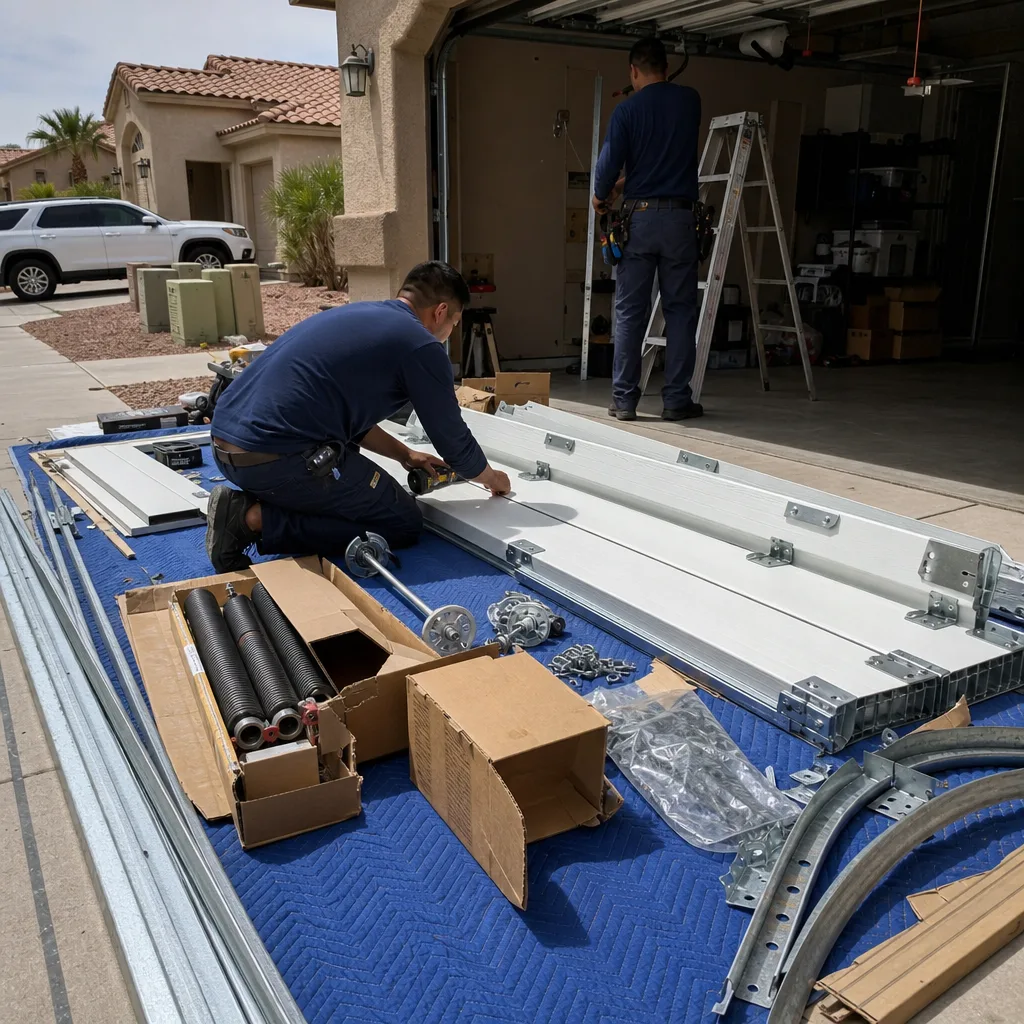
Chandler requires a building permit for structural changes to a home, including garage door replacement when the opening size changes, when an opener is added to a garage that never had electrical service, or when structural framing is involved. The key point for a DIY-minded homeowner: doing the work yourself does not waive the permit requirement. The permit obligation attaches to the work, not to the person holding the drill.
Here is how it breaks down in Chandler specifically:
- Same-size door replacement: No permit required if the opening is not being modified. Swapping a 16×7 door for another 16×7 Clopay, Amarr, or Wayne Dalton door is considered a repair, not an alteration.
- Changing the door size or adding a new opening: Permit required. This is structural work that involves the header, the framing, and the load path above the opening. The City of Chandler will want plans or a structural detail.
- Adding an opener with new electrical service: Electrical permit required for the new circuit. The opener itself does not need a separate permit, but the circuit does.
- Replacing an existing hardwired opener with a plug-in opener: Permit required for the receptacle installation if a new one is being added at the junction box.
A licensed garage door company handles the permit on the permitted jobs as part of the written scope. If you are doing a same-size door replacement yourself, no permit is needed, but keep the receipt and take photos of the finished work for the home file. When we handle a garage door installation in Chandler, the permit requirement, if any, is itemized in the written scope before any work is ordered.
How to Document a DIY Repair So It Doesn’t Bite You Later
Here is a scenario we see regularly in Chandler. A homeowner replaces their own weather seal, or realigns their own sensors, or in some cases replaces their own opener. Three years later, they sell the house. The home inspector notes “garage door opener installed by unknown party, no documentation.” The buyer’s agent asks for receipts. The seller has none. The deal gets a repair credit deducted, or worse, a buyer walks.
Documentation is not just for professionals. A homeowner who keeps a clean record of their own garage door work preserves their own home value and makes the next service call, with whoever handles it, dramatically more efficient. Here is the exact method:
- Photograph the failed part before you touch anything. If a sensor is misaligned, photograph the sensor as found. If a seal is cracked, photograph the crack. This is the same principle we use at Servo: the evidence comes before the work.
- Photograph the installed result. The new part, in place, from the same angle. Two photos, before and after, tell the whole story to a future inspector.
- Note the date and the part details in your phone. Not just “fixed seal.” Write “replaced 16-foot bottom seal, Clopay door, U-shaped retainer, part number from Ace on Ray Road.” The specificity is what matters.
- If you purchase parts, keep the receipt. Even for a $15 seal or a $9 set of rollers. A receipt converts “I fixed it” into “here is what I used and when.”
- If you do anything beyond the safe list above, reconsider. A homeowner who documents a DIY torsion spring replacement is documenting a liability. If you are photographing the spring work, you already crossed the line where you should have called a professional.
The documentation habit matters because the garage door is a safety system, not just a convenience. An inspector evaluating your door wants to know that the parts are correct and the work was not improvised. Written records and dated photos are the difference between a clean inspection and a negotiated credit.
Common Mistakes to Avoid
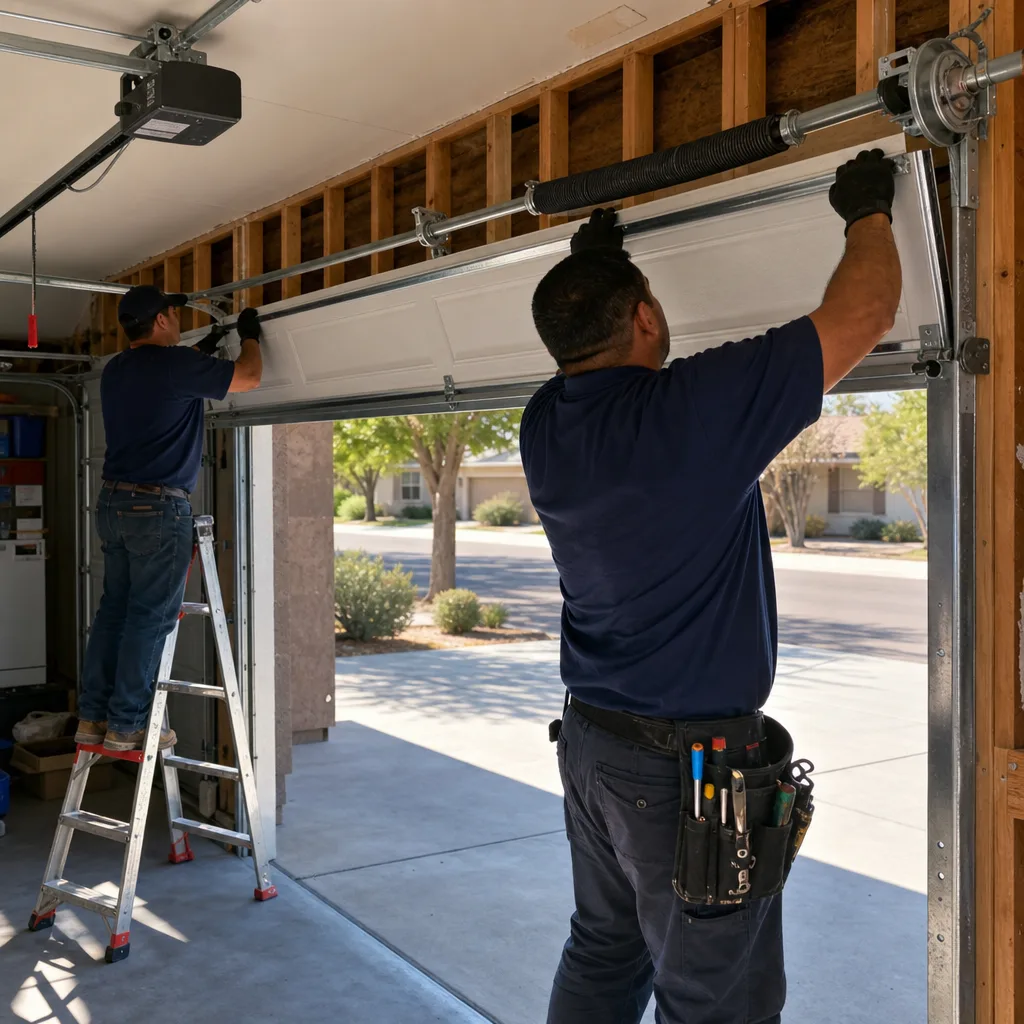
- Lubricating the torsion spring. Grease on the coils collects Chandler dust and grit, which then grinds against the coils as the spring cycles. The spring does not need lubrication. Lubricate the bearings, hinges, and rollers. Leave the spring dry.
- Adjusting travel limits instead of checking the sensors. When a door reverses before it hits the floor, the most common cause is a misaligned sensor, not a limit problem. Cranking the down limit to force the door closed when the sensors are blocked creates a door that will crush whatever is under it. Check the sensors first, every time.
- Replacing a spring with a heavier one “so it lasts longer.” Spring weight must match the door weight. A spring that is too strong makes the door fly up when opened manually and makes the opener work harder on the way down. This is precisely the mismatch that shortens opener motor life and stresses the hardware. The old spring’s wire diameter and coil count are what you match, not your intuition.
- Ignoring a cable that looks frayed because “it’s just cosmetic.” A frayed cable is not cosmetic. It is a load-bearing component that is announcing its failure. When it lets go, the door drops on that side, the panel twists, and the remaining cable can whip. In Chandler garages where monsoon dust and heat accelerate cable wear, a frayed cable gets replaced the week you notice it.
- Using WD-40 on the tracks. WD-40 is a solvent, not a lubricant. It cleans, then evaporates, leaving the metal dry and squeaking louder a month later. Use white lithium grease or silicone spray. On the vertical tracks specifically, you want very little product or none, because the rollers should roll on clean metal, not slide through a film of grease that catches dust.
- Taking the “emergency release” cord at face value. The red cord disconnects the opener from the door so you can operate it manually during a power failure. It is not an emergency door opener. If you pull it while the door is open and the springs are worn, the door falls instead of lowering. The cord is for backup operation, not for bypassing a broken spring.
- Buying the cheapest rollers available at a big-box store. Plastic rollers without bearings cost $2 each and last about two years in Chandler’s heat. Nylon rollers with sealed bearings cost $8 to $12 each and last ten. The cheap ones also grind flakes of plastic into the track that hold dust. You will replace them soon enough that the “savings” disappears.
When to Call a Professional
You should call a licensed garage door professional the moment the job involves a torsion spring, a lift cable, a bent track, a logic board, or any task that requires releasing stored tension or handling live electrical work. The test is not whether you can find a video. The test is whether the cost of being wrong involves an injury. For everything on the safe DIY list, work carefully and document the work. For everything else, the professional path in Chandler is a written price before the work starts, not a phone estimate that changes when the truck arrives. Servo Garage Doors Chandler offers free estimates in Chandler, and every job includes a documented photo record of what was found and what was done. Call (520) 482-1879 if the job crosses the energy line.
Frequently Asked Questions
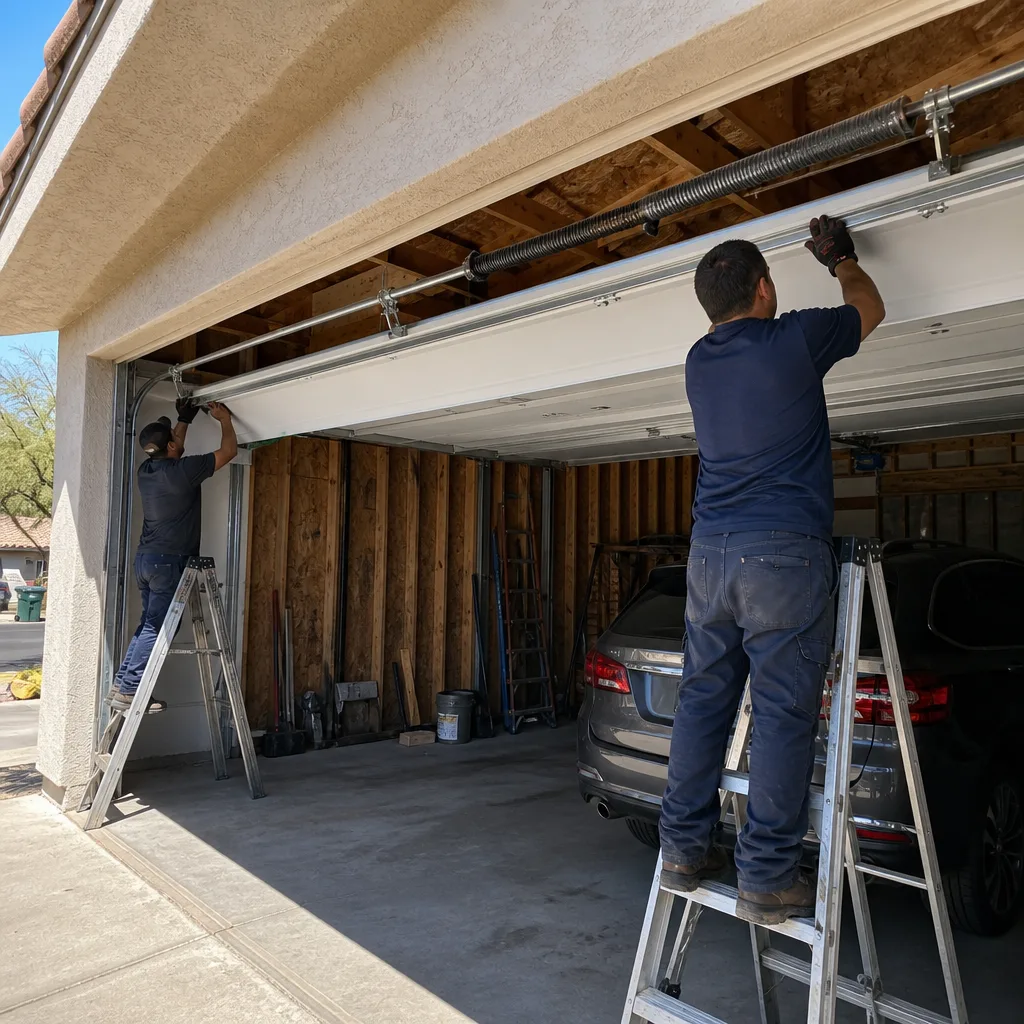
Professional torsion spring replacement in Chandler typically costs between $180 and $340 for a standard residential door, including the parts and labor, and most jobs are completed in under 90 minutes. For a deeper look at pricing factors, see our Garage Door Cost Breakdown: The Chandler Homeowner’s Reference for 2026. Servo charges a flat written price before any work starts, with no changes once you approve the scope. Call (520) 482-1879 for a free estimate with the exact number for your door.
It is not illegal, but it is unwise. There is no Arizona law prohibiting a homeowner from replacing their own torsion spring. There is also no law requiring a homeowner to have health insurance, and the absence of a legal barrier does not make the physics safer. The spring is under enough tension to require an OSHA handling warning, which is the clearest signal available that this is a professional-only repair.
You can install an opener yourself if you are replacing an existing plug-in unit, the outlet is already present, the door is balanced, and no new circuit is required. If the job involves hardwiring, a new outlet, or a new circuit, you need a licensed electrician for that portion. The mechanical mounting and the low-voltage wiring are DIY-safe; the 120-volt side is not.
No permit is required in Chandler for a same-size, same-opening door replacement. A permit is required if you are changing the opening size, altering the framing, adding an opener where no electrical service existed, or converting a hardwired opener to a plug-in with a new receptacle. Doing the work yourself does not remove the permit obligation. The permit attaches to the work, not to who performs it.
It depends on the manufacturer, but most door and opener warranties include language voiding coverage for damage caused by improper installation or unauthorized modification. The practical rule: a DIY lubrication or sensor alignment will not void anything. A DIY torsion spring replacement with the wrong spring size will absolutely void the door warranty if the imbalance causes panel or opener damage. In that case, the warranty claim is denied and the repair costs come out of your pocket.
The most common mistake we see in Chandler is ignoring a growing symptom until it becomes an emergency. A noisy door, a slow opener, or a door that is slightly off balance when released, all of these are early signals that a spring is wearing or a bearing is failing. Waiting until the spring snaps on a weekend turns a scheduled $250 repair into an emergency call. The second most common mistake is lubricating the spring, which collects dust and accelerates wear. For an honest assessment, call (520) 482-1879 and we’ll tell you what we find, with photos, before we quote anything.
The Bottom Line
The DIY versus professional question for garage doors in Chandler is not primarily about skill. It is about stored energy. Tasks that do not involve the spring, the cables, or the line voltage of the opener are safe for a careful homeowner and genuinely do not need a service call. Tasks that do involve those components are not a place to learn by doing, because the cost of a mistake is measured in injuries, not dollars. The math on spring replacement is especially clear: professional repair with a written price and a warranty is cheaper than the expected cost of a DIY attempt once you include the probability of a hospital visit. Document whatever you do yourself, know when a Chandler permit applies, and when the job crosses the energy line, call a licensed technician. We are Servo Garage Doors, your Chandler garage door company, and for any repair where you are not certain, you can reach us for garage door repair in Chandler.
Written by Marcus Deller, Owner at Servo Garage Doors Chandler, serving Chandler since 2015.